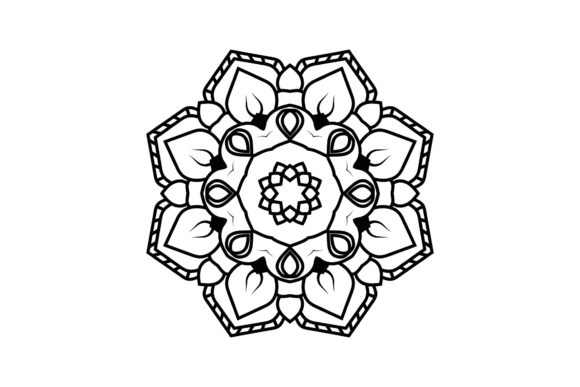
The Art of the Mandala Floral Ornament: A Digital Gateway to Creativity
In a world saturated with fleeting digital images, there exists a form of art that invites stillness, focus, and a deep connection to pattern and nature. This is the world of mandala floral ornament art. Rooted in ancient spiritual traditions, the mandala—a geometric configuration of symbols—has evolved into a beloved contemporary design motif, especially when intertwined with the timeless beauty of floral elements. Today, this fusion is not just an artistic expression but a versatile digital asset, empowering creators across fields. When you encounter a product offering like "Thank you for visiting my product" with its suite of six digital files, you are receiving more than just images; you are acquiring a toolkit for modern creation.
From Sacred Circles to Digital Designs: Understanding the Mandala Floral Ornament
To appreciate its modern relevance, we must start from the ground up. Historically, mandalas are intricate circular designs originating in Hinduism and Buddhism, representing the universe, wholeness, and a map for meditation. Their symmetrical, radiating patterns draw the eye inward, promoting concentration and a sense of balance. Floral ornamentation, on the other hand, draws from the endless inspiration of nature—roses, lilies, vines, and leaves—symbolizing growth, beauty, and life.
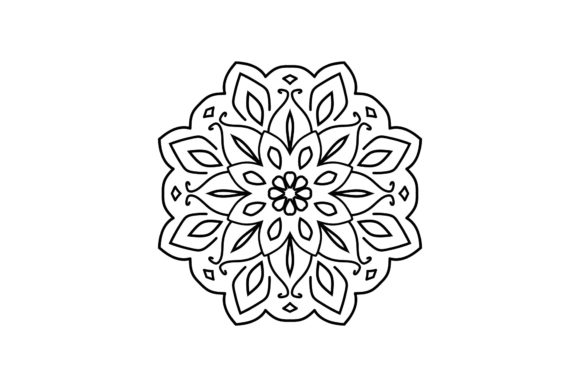
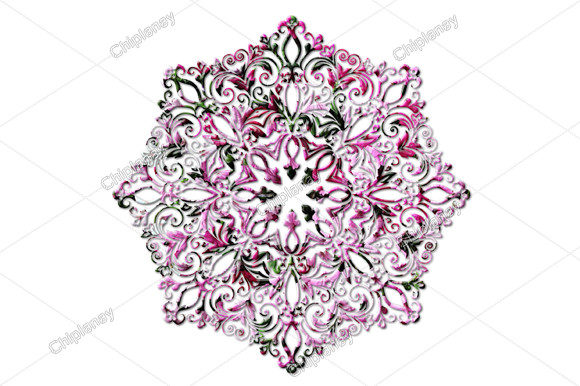
The mandala floral ornament merges these two powerful visual languages. The strict geometry of the mandala provides a structured canvas, while organic floral forms soften and animate it, creating a harmonious blend of order and natural elegance. This art form moves beyond its traditional sacred context to become a universal symbol of harmony, creativity, and intricate beauty, accessible to all regardless of spiritual background.
The Practical Power of a Digital File Package
When an artist offers a design as a set of multiple digital files, they are providing a key to limitless application. A typical package, as noted, might include: 6 Digital Files in total with a 1920px X 1280px Canvas Size. The significance of this is profound. The high resolution ensures crisp, professional quality for both digital and print use. But the true value lies in the variety of formats:
- 1 AI File: The native Adobe Illustrator file, perfect for advanced vector editing.
- 1 EPS File: A universal vector format compatible with many design programs.
- 1 SVG File: The scalable vector graphic ideal for web use, cutting machines, and infinite resizing without quality loss.
- 1 DXF File: A vector format specifically for Computer-Aided Design (CAD), crucial for engraving, CNC routing, and technical drawings.
- 1 JPG File: A standard raster image for quick placement, web graphics, or simple printing.
- 1 PNG File: A raster image with potential transparency support, excellent for overlays and digital compositions.
This suite transforms a single mandala floral ornament design from a static picture into a flexible resource. The phrase "Easy to edit and use in your designs" is a promise of accessibility. Whether you are a graphic designer, a crafter, a web developer, or a small business owner, these formats bridge the gap between artistic inspiration and practical execution.
Purpose and Significance in Modern Life and Work
The mandala floral ornament art is not confined to galleries; it is a dynamic element in our daily visual landscape. Its purpose today is multifaceted.
In business and branding, such designs convey elegance, attention to detail, and a connection to natural values. They can become central logos for wellness brands, boutique shops, or organic products, or serve as beautiful background patterns for packaging, websites, and marketing materials. The provided digital files allow businesses to adapt the core design seamlessly across all media.
For personal creativity and crafts, this art is a powerhouse. The SVG and DXF files unlock the world of DIY. Imagine using the design with a vinyl cutter to create stunning window decals, or with an embroidery machine to stitch a complex pattern onto fabric. The mandala can be laser-cut from wood for a wall hanging or etched onto glass for a personalized gift. The design becomes a starting point for hundreds of tangible projects.
In technology and digital spaces, the PNG and JPG files serve as immediate visual assets. Website heroes, app backgrounds, social media graphics, and digital art collections can all incorporate this ornament to add depth and aesthetic appeal. The scalable nature of the vector files (AI, EPS, SVG) means the design can be optimized for any screen size or resolution, a critical need in our multi-device world.
Clarifying Common Misunderstandings
Two assumptions often arise around such digital art products. First, that they are only for "professional designers." The array of formats specifically counteracts this. A JPG or PNG can be used by anyone with basic computer knowledge to enhance a presentation or a personal blog. Second, that purchasing such a pack means you are buying a "single use" item. On the contrary, the licensing typically associated with these files allows for repeated, versatile use within personal and commercial projects, making it a cost-effective investment in creative capital.
Building a Broader Understanding: The Ornament as a Creative Tool
Viewing this mandala floral ornament package not as an end product, but as a beginning, changes everything. It fits into the broader narrative of democratized design. With these files, you are not merely consuming art; you are invited to participate in its adaptation and integration. This aligns perfectly with modern movements in education, where visual literacy and digital tool mastery are key skills. A student learning graphic design can deconstruct the AI file to understand vector construction. An entrepreneur can learn how a single brand asset (the EPS file) must be adapted for different outputs.
Examples of natural application help cement this understanding. Consider a small yoga studio. They purchase this digital pack. They use the AI file to create a simplified logo from the mandala's core. The PNG file, with a transparent background, becomes a watermark on their class schedule PDFs. The SVG file is sent to a tee-shirt printer for merchandise. The same central art, through its multiple digital incarnations, builds a cohesive visual identity across their entire operation.
Beyond Decoration: The Enduring Relevance of Pattern
At its heart, the mandala floral ornament speaks to a human love for pattern. Pattern provides rhythm, predictability, and beauty in our environment. In our sometimes chaotic daily activities, integrating such structured beauty—whether on a physical product we create, a website we navigate, or a wall in our home—can provide a subtle anchor. This art form’s relevance endures because it satisfies both a aesthetic craving and a functional need for adaptable, high-quality digital assets.
The concluding message, "Thank you for visiting my product," is more than a polite sign-off. It is an acknowledgment of a shared creative journey. The artist provides the seed—the meticulously crafted mandala floral ornament in its multiple technical forms. The visitor, now a user, carries that seed into their own world of projects, work, and expression, allowing the art to grow, adapt, and flourish in new contexts.
Ultimately, this digital art package represents a beautiful synergy: the timeless, meditative appeal of the mandala fused with the joyful abundance of floral life, all encoded into the flexible language of modern digital files. It is a bridge between ancient symbolism and contemporary creation, empowering anyone with a vision to bring more intricate, harmonious beauty into the world.