The Versatile World of Watercolor Floral Easter Cross Illustrations
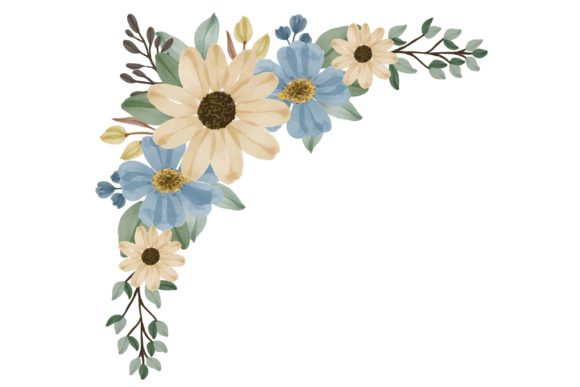
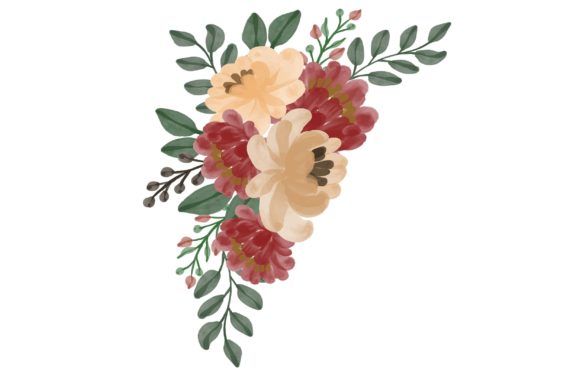
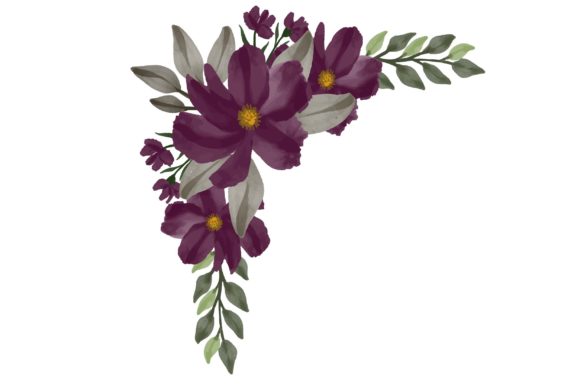
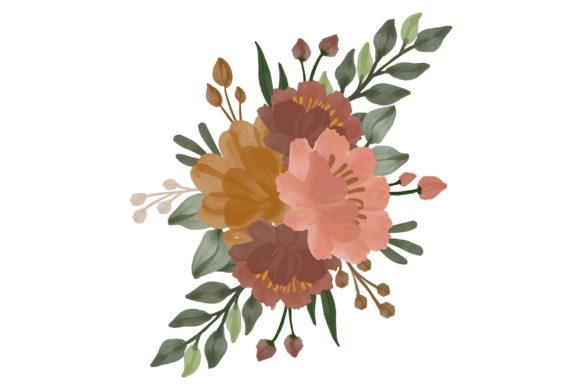
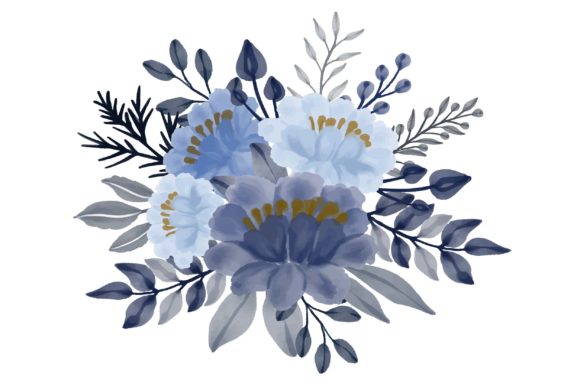
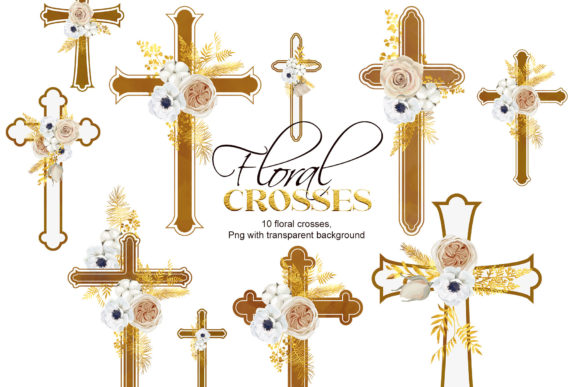
In the realm of digital design assets, watercolor illustrations offer a unique blend of artistic charm and practical utility. A specific category that stands out for its thematic depth and broad applicability is the Watercolor Floral Easter Cross. This type of illustration typically features the central symbol of the cross, rendered in a soft, hand-painted watercolor style, adorned with delicate floral elements like blossoms, leaves, and trailing vines. The aesthetic is often gentle, respectful, and visually uplifting, combining symbolic weight with artistic lightness.
What Distinguishes This Style of Digital Asset
The core distinction of a high-quality Watercolor Floral Easter Cross lies in its synthesis of several key attributes. First is the medium: watercolor implies transparency, fluid blends of color, and soft edges, which evoke a sense of warmth and traditional craftsmanship often missing in vector graphics or stark digital art. The floral integration transforms the symbol from a purely religious icon into a more universal emblem of growth, hope, and beauty. The technical specifications are equally critical. When offered as a PNG file with a true transparent background at high resolution (such as 3000x3000 pixels at 300dpi), the illustration becomes a flexible building block rather than a fixed image.
This contrasts with many pre-made designs that include baked-in backgrounds or are offered at lower resolutions suitable only for web use. The transparency allows you to layer the cross over any background color, pattern, or photograph you choose, making it adaptable to countless project themes. The high resolution ensures it can be used for both digital screens and high-quality print materials without losing detail or becoming pixelated. This combination of artistic style and technical readiness defines a premium Watercolor Floral Easter Cross asset.
Common Formats and How This Option Compares
Designers and creators seeking decorative elements typically encounter several format categories. Common alternatives include vector files (like SVG or AI), stock photography with religious motifs, and simpler clip-art style graphics. Vector files are scalable and editable but can sometimes feel mechanically perfect, lacking the organic texture of watercolor. Stock photos are realistic but offer less flexibility for integration and often come with complex licensing. Clip-art is easy to use but frequently lacks the artistic depth and emotional resonance.
A Watercolor Floral Easter Cross in PNG format sits in a pragmatic middle ground. It is not directly editable in the way a vector is—you cannot easily change the flower colors without professional software—but its high-quality raster format preserves every brushstroke and color wash. Its primary strength is ease of use: it is a ready-to-place artistic element. For individuals using basic design software, presentation tools, or even word processors, dragging and dropping a transparent PNG is significantly more straightforward than manipulating vector paths or editing photos. The tradeoff is a lack of structural editability, but for most end-use applications like card creation or invitation design, this is not a limitation.
Evaluating Use Cases and Universal Applicability
A key consideration for any digital asset is its range of potential applications. The promotional description mentioning events like Christmas, weddings, birthdays, and baby showers alongside Easter speaks to a deliberate design philosophy. The Watercolor Floral Easter Cross, by blending a universal symbol with non-denominational floral beauty, transcends a single holiday. The cross can symbolize faith, remembrance, or simply serve as a graceful decorative element. The flowers suggest celebration, new life, and joy.
For a church's Easter service program, it is a perfect fit. For a wedding invitation where the couple seeks a touch of spiritual and natural symbolism, it can be equally appropriate. On a Mother’s Day card, the floral cross could represent gratitude and familial love. This universality is a significant strength compared to more niche illustrations that are locked into a specific holiday's iconography (like a cartoon bunny for Easter or a strict holly pattern for Christmas). However, its appropriateness still depends on the audience and context. In purely secular or diverse settings, a floral wreath or bouquet might be a safer alternative if the cross symbol might be misinterpreted.
Strengths and Practical Advantages in Project Creation
The practical benefits of such a resource are manifold. The transparent background eliminates the tedious step of manually cutting out an image from a background, saving time for non-professional designers. The high resolution guarantees quality across outputs: a crisp print on a cardstock invitation and a clear image on a digital greeting. The "set" concept—offering 10 variations of the Watercolor Floral Easter Cross—provides invaluable flexibility. Instead of being stuck with one design, you can choose from different floral arrangements, color palettes, or compositional densities to best match your project's tone.
This allows for consistency across a series of materials (like a set of invites for a church event) without monotony. You can use a simpler cross for a minimalist design and a more florally intricate one for a celebratory announcement. Comparing this to purchasing a single illustration, the set offers better value and creative options. It mitigates the risk of buying an asset that doesn't quite fit your need because you have multiple versions to try.
When This Asset Is the Right Choice, and When to Look Elsewhere
Determining if a Watercolor Floral Easter Cross set is the best resource requires evaluating your specific project goals, design skills, and audience.
It is likely an excellent choice if:
- You need a visually warm, artistic element for a project related to faith, remembrance, celebration, or hope.
- You value ease of use: you can place it directly into your layout with minimal technical steps.
- Your projects span multiple event types (religious holidays, life milestones) and you want a versatile, reusable asset library.
- You require high-quality print output alongside digital use.
- You appreciate the aesthetic of traditional painting within a digital workflow.
You might need to consider other alternatives if:
- You require full editability of the shape and colors for brand customization (in which case a vector format, even if less textured, is superior).
- Your project context is strictly secular or culturally diverse where a cross symbol, even floral, could be unsuitable.
- You need a very modern, geometric, or minimalist style—the watercolor texture inherently provides a soft, classic look.
- Your budget only allows for a single, very specific graphic and the versatility of a set is not a priority.
Balancing Quality, Flexibility, and Specific Need
The decision often comes down to balancing aesthetic preference against functional requirement. The Watercolor Floral Easter Cross set excels in providing a pre-made, high-quality artistic touch. For a small business creating seasonal greeting cards, a church group producing event materials, or an individual crafting personal invitations, it can dramatically elevate the design with minimal effort. The tradeoff is accepting the predefined style and symbol.
For larger organizations with strict brand guidelines that require custom color matching or shape alteration, this asset might serve as inspiration but not as a final, editable graphic. In such cases, commissioning a custom watercolor illustration or purchasing a vector-based floral cross might be the better path, despite higher cost or complexity. Similarly, for purely commercial products where religious symbolism must be avoided, a general watercolor floral bundle without the cross would be a more appropriate alternative.
Ultimately, resources like this set of Watercolor Floral Easter Crosses empower creators by bridging the gap between professional artistry and accessible design. They provide a tangible, beautiful element that can be the focal point of a card or a subtle accent on an invitation. By understanding its distinct combination of symbolic art, technical quality, and versatile format, you can make an informed decision on whether it fits your creative toolkit, or if your project's needs point you toward a different category of design resource.